
When I’m deep into a custom piece, I sometimes stop and ask myself: what is someone actually paying for when they trust me with a design they’ll wear for the rest of their life? It’s a fair question, and the honest answer surprised even me the first time I really sat with it.
Tattoo commission prices catch a lot of people off guard at first — and then they make complete sense the moment you see what’s actually folded inside them. So let me break down what custom design work really covers, why the number moves, and how to think about the cost instead of just staring at the figure on the invoice.
What’s Actually Included in Tattoo Commission Prices
When you commission a tattoo design, you’re paying for several things at once — and once you understand my custom tattoo design process, it becomes clear why the final drawing is the result, not the whole story.
Here’s what the price genuinely covers.
Creative consultation and concept work
These are the hours of conversation, question-asking, and direction-setting before any pen ever touches paper. This is where the piece grows its bones — where I learn what matters to you, which symbols carry weight in your life, and what feeling you want to carry on your skin forever.
Reference research and concept direction
This is the time spent pulling together visual anchors, studying symbolic elements tied to your story, and proposing a direction that genuinely fits who you are. It isn’t a quick image search — it’s deliberate research that shapes every line that follows.
Multiple rounds of sketching
First rough sketch, refined sketch, and any revisions in between. Most commissions build two to three rounds of feedback right into the price, so you have real room to steer the work before anything gets locked in.
Final pen and ink artwork
This is the actual hand-drawn piece, rendered in pen and ink with the kind of detail and intention that only comes from working by hand. Depending on complexity, this stage alone can run anywhere from a few focused days to a couple of weeks of dedicated creative time.
Tattoo-ready file delivery
High-resolution digital files formatted properly for your tattoo artist to work from. PNG, PDF, and sometimes additional formats if your artist has specific requirements — all included, no extra step on your end.
Exclusive rights to the design
This is the big one. The design is yours. I don’t sell it again, I don’t reuse it for someone else, and I don’t license it to a third party. That uniqueness is half the value of a commission — you’re getting something that exists in the world exactly once, made specifically for you.
Why Tattoo Commission Prices Vary
Not every custom design lands at the same number, and that’s intentional. A handful of real factors move the price.
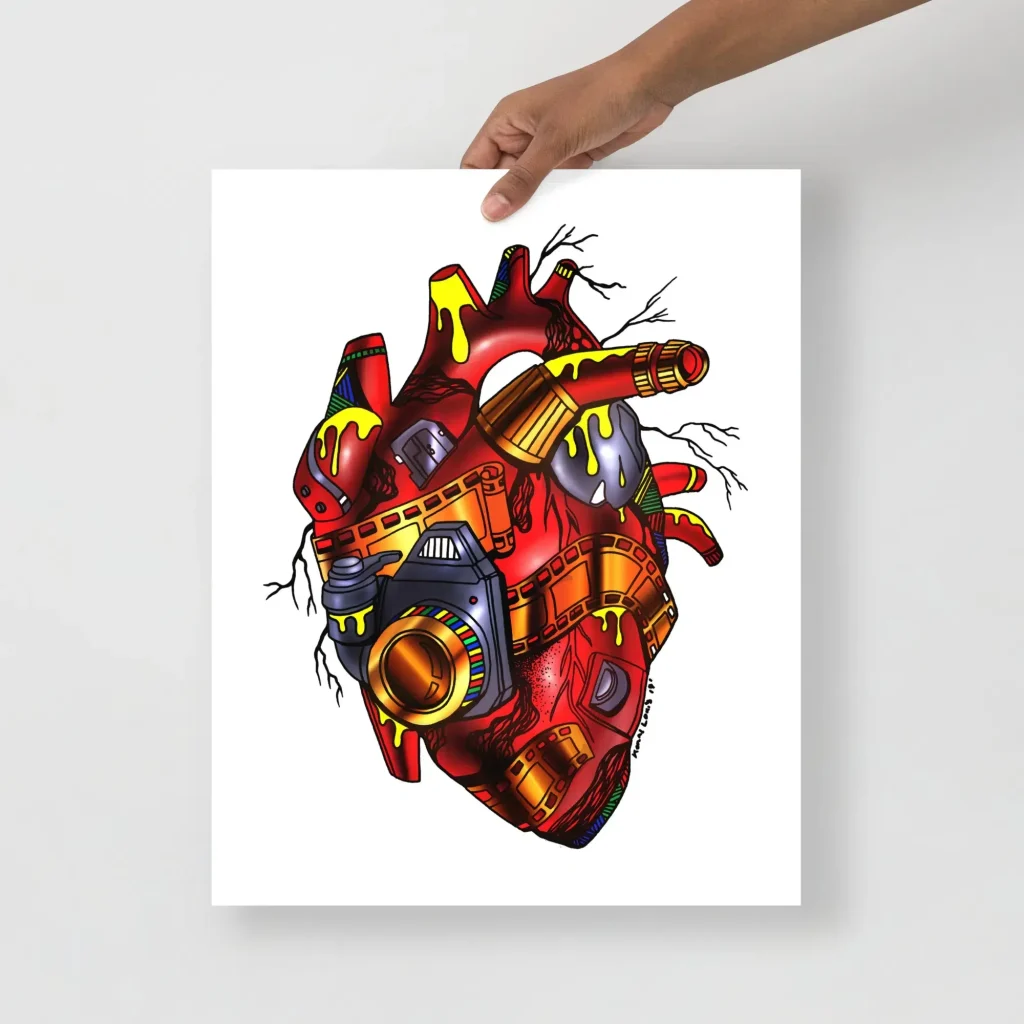
Complexity matters most. A single-element piece — say, a real heart drawing with no extra symbolism — takes less creative time than a layered composition where several symbolic elements have to be woven into one cohesive scene. More moving parts means more drawing time, more revision cycles, and more creative problem-solving to make everything feel unified instead of cluttered.
Size shapes both the artwork and the file output. A small wrist piece and a full sleeve don’t ask for the same amount of drawing time, and the level of detail that reads well at each scale is completely different. Designing for a sleeve means thinking about how the piece wraps, breathes, and flows across the body — that’s a different creative challenge entirely.
The number of revisions can matter too, though most commissions include a fair amount in the base price. If a project genuinely changes direction halfway through — a new concept, a different subject, a major compositional shift — that may stretch the timeline and adjust the cost. I’ll always tell you before that happens, not after.
Turnaround time can shift pricing as well. Rush jobs mean reshuffling other work and pulling longer hours, so they carry a premium. If your timeline is flexible, that flexibility works in your favor.
How My Tattoo Commission Prices Are Structured
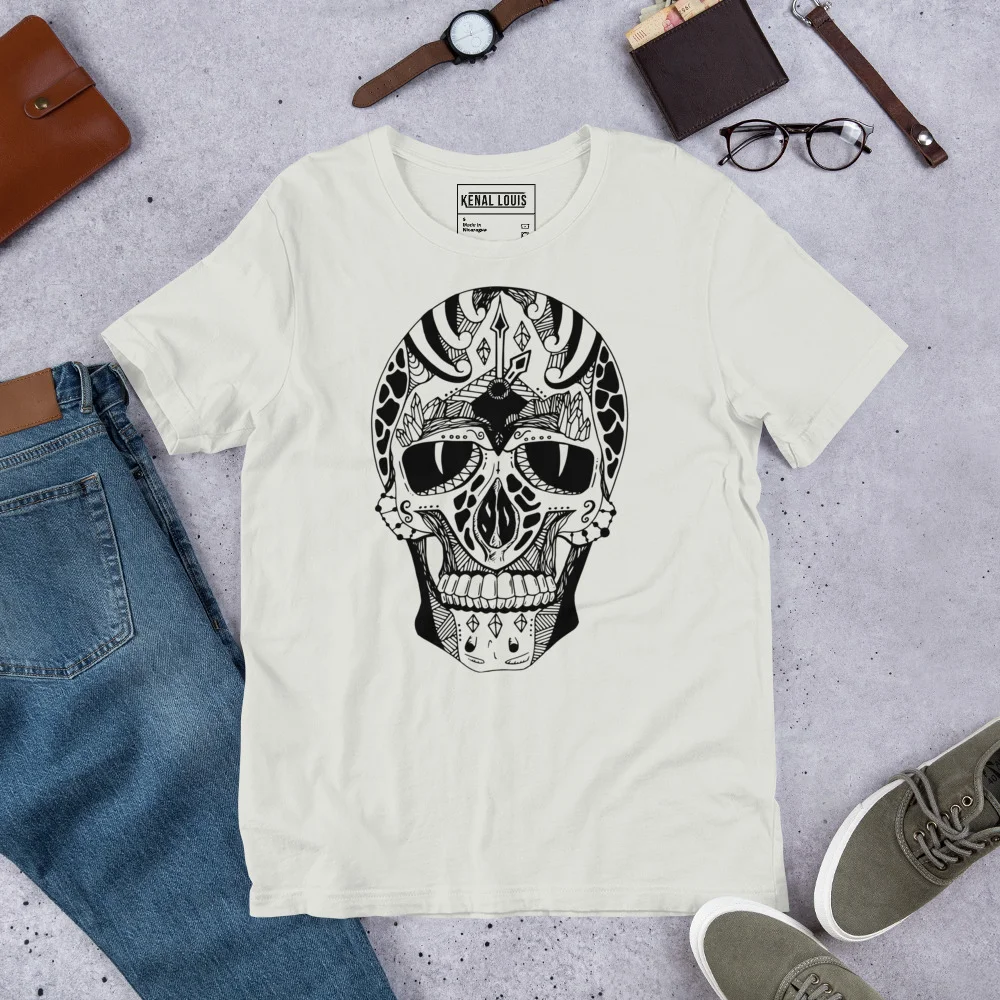
I start commissions at $2,000. That figure isn’t pulled from thin air — it reflects the actual creative time, the exclusivity of the work, and the level of pen and ink craftsmanship behind each piece. It also reflects years of building a style people specifically seek out for art they intend to carry permanently.
And really, choosing an artist for your tattoo is a decision you’ll wear on your body forever — so that math works out to pennies a day over a lifetime. Compare it to what people spend on furniture, electronics, or jewelry they won’t even own in five years. A custom design is one of the few things you genuinely can’t lose, replace, or leave behind.
Larger or more intricate pieces price higher based on the factors above. I quote each project after our first conversation, so you know exactly what you’re paying before anything begins — no surprises, and no scope creep without us talking it through first.
What You’re NOT Paying For (That Some Sellers Charge For)
There are a few things you might expect to be extras with a commission — and aren’t, not with me.
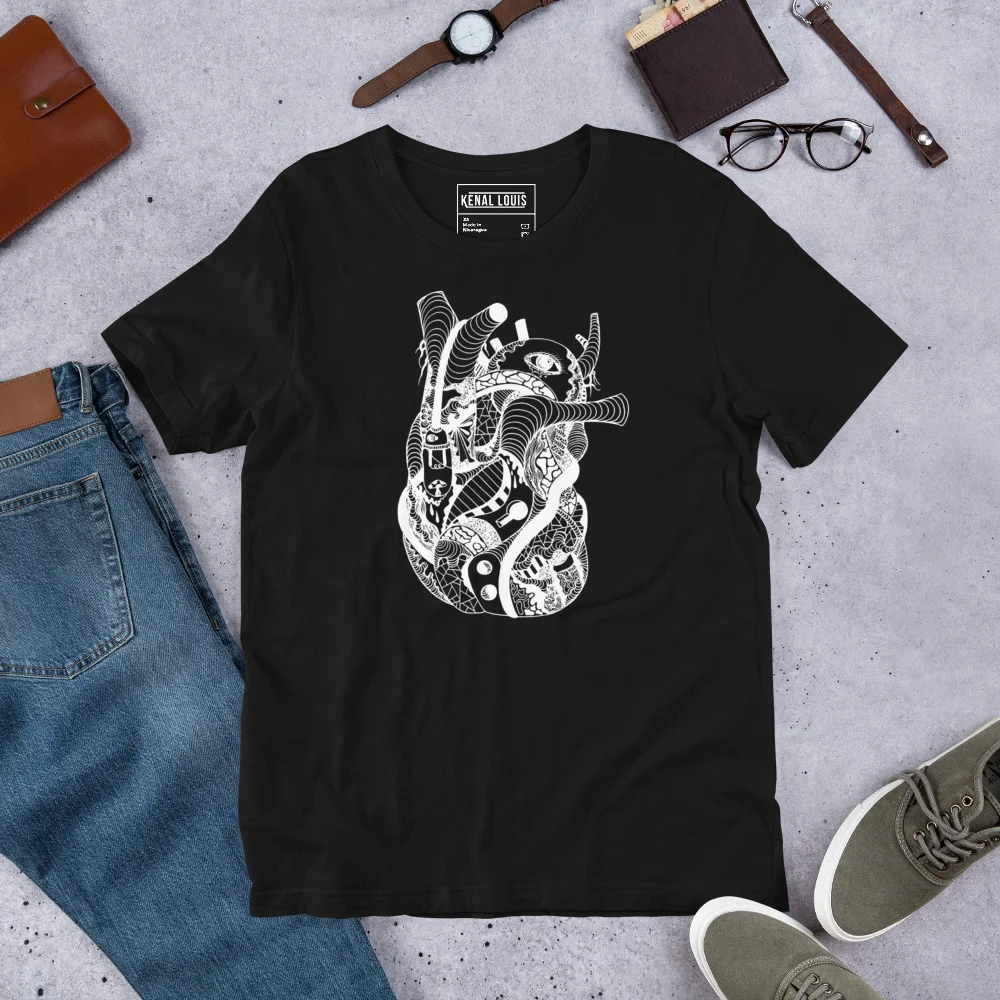
You’re not paying for AI-generated artwork dressed up as custom work. Every single line is hand-drawn, in ink, by me. There’s no algorithm hiding inside what you receive.
You’re not paying for a design quietly recycled from someone else’s portfolio under a new name. Each piece is original, built from scratch around your concept and your story.
You’re not paying for hidden license fees that block you from actually getting inked. Once the design is yours, it’s yours — take it to any tattoo artist you trust and get it done.
And you’re not paying for a generic flash design with your name swapped in. A commission is a commission — it starts with you and ends with something that couldn’t have come from anyone else’s brief.
How to Think About Tattoo Commission Cost
Honestly, the cleanest way to frame it is this: how long are you going to live with this piece?
If the answer is “forever,” then the real question isn’t whether $2,000 or $3,000 is a lot of money. The question is whether spending real money once gives you something you’ll love every single day — something that still feels right twenty years from now — versus saving a little and choosing a tattoo commission over flash designs you’ll later wish you had skipped.
I’ve watched both sides of that decision play out. The people who invest in a commission almost never regret it. The regret tends to live on the other side — in the cheaper option that felt fine in the moment and feels wrong every time they catch it in the mirror.
So when someone asks me whether tattoo commission prices are “worth it,” my answer stays the same: the people who actually go through with a commission rarely look back. The work becomes part of how they see themselves. That’s not something you can pin a tidy number on — but it’s also not something you want to underpay for.
Ready to Get a Real Quote?
If you’re thinking about commissioning a design and you want to know what your specific piece would cost, reach out through my tattoo commission page. Tell me roughly what you have in mind — the subject, the size, the feeling you’re chasing — and I’ll give you a real quote, not a brochure number. No obligation, no pressure, just an honest conversation about what your piece would actually take.
For the bigger picture of what commissioning original ink really means, read why a tattoo commission beats any flash design. I’ll keep documenting this work as the commission series grows, because every new piece teaches me something about the people who choose to wear it.