
…and that’s the thing most people miss about emotional art pieces — they aren’t just paintings with happy faces or sad faces. They’re visual works that create genuine human connection. After studying Van Gogh’s approach in my early years as an artist, I began to understand the small, almost invisible elements that make a viewer want to stop, linger, and truly engage with a piece of art.
Creating Art Series Inspired by Emotion: My Journey
Over the years of creating art, I’ve experimented with all kinds of mediums, subjects, and artistic directions. My journey has carried me through several distinct phases, and each one taught me something new about expressing feeling through visual elements. In this article, I want to share how I’ve created emotional art pieces that connect with viewers on a deeper level — and how that pursuit has shaped everything from my early paintings to the line art I now put on wearable pieces.
Finding Inspiration in Art History
When I first started studying art history, I was floored by Vincent van Gogh’s work and the way his distinct periods of color told the story of his inner world. The way he used color to convey what he was feeling fascinated me. His bold strokes and vibrant palettes weren’t just visually striking — they reached out and grabbed you by the heart.
That’s when it clicked for me: great artists don’t just create beautiful images — they create experiences that move people, expressing emotions through art in ways that fundamentally changed how I approached my own work.
The Language of Emotion in Visual Art
Emotion isn’t always easy to read in a piece of art. But over time I’ve learned that mood can be summoned through color, texture, and the unique combinations we build out of them. These elements work together like instruments in an orchestra, playing a quiet symphony of feeling that lingers with a viewer long after they’ve walked away.
Art like this speaks without words. It communicates through:
- Color psychology and temperature
- Texture and tactile qualities
- Composition and movement
- Light and shadow contrasts
- Subject matter and symbolism
My Butterfly Series: Movement and Transformation
One of my first themed collections centered on butterflies set against vibrant red backgrounds. I created these emotional art pieces using a blend of paint and ink-pen line work. The butterfly and moth paintings carried a real sense of movement and energy, symbolizing transformation and freedom — themes I kept circling back to as my work evolved.
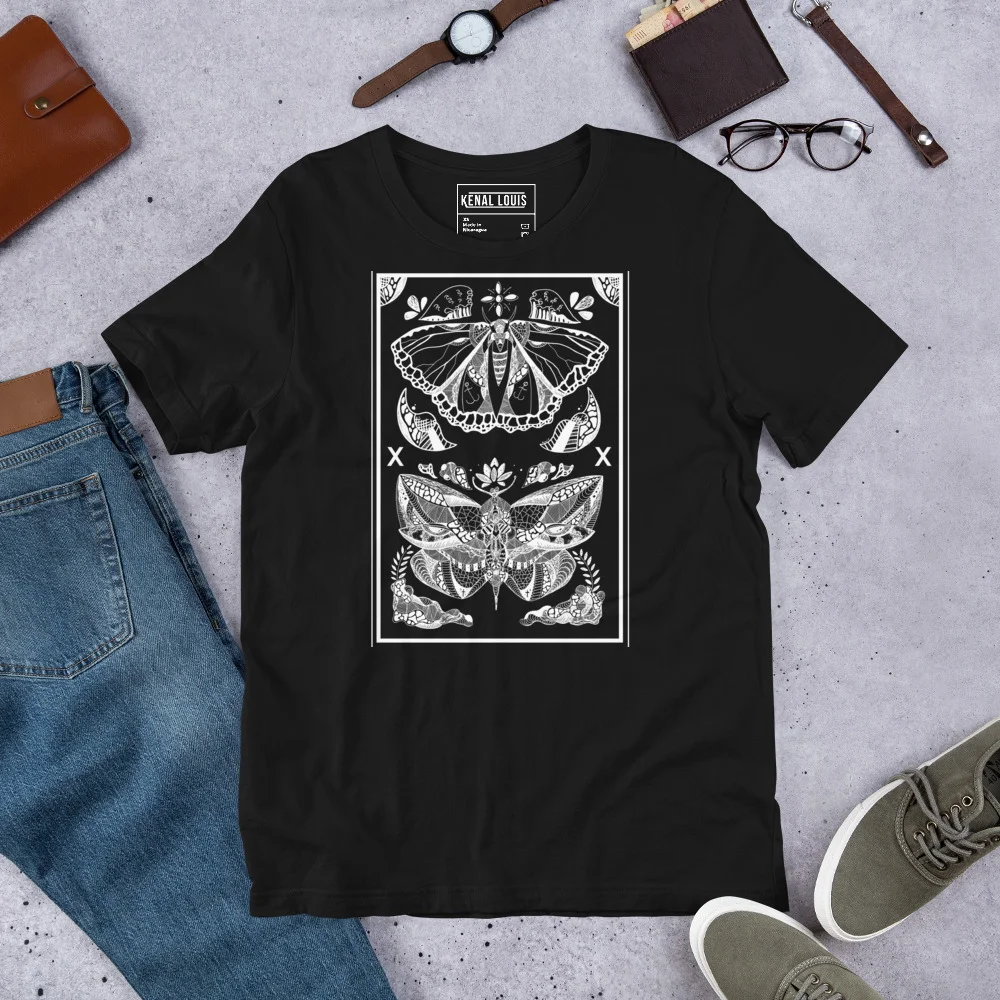
The rich red backgrounds gave off passion and intensity, while the delicate insects represented resilience and change. That contrast produced an emotional punch that surprised even me as the one making it. The tension between fragility and strength became a recurring thread, and it never really left my work.
Technical Choices That Deepened the Feeling
For this series, I experimented with:
- Layering transparent inks over opaque paint
- Building textured backgrounds that seemed to pulse with energy
- Using fine line work to add delicate details that rewarded close inspection
- Leaving negative space to create breathing room amid the intensity
Every technical decision was made with feeling in mind. I wanted viewers to sense the flutter of wings and the fragility of these creatures against that powerful backdrop. That same sensitivity to line and movement is something I carried forward into pieces like the Butterfly Line Art T-Shirt – Abstract Cotton Tee and the Butterfly T-Shirt – Butterfly of Hope Line Art Graphic Tee, where the butterfly motif keeps carrying that note of hope and transformation.
The Jellyfish Collection: Playful Yet Dangerous Beauty
Another mini-series I made featured small paintings of textured jellyfish. Here I leaned on a multicolored palette, so the jellyfish felt colorful and playful despite their dangerous nature.
For all their natural ability to harm, jellyfish remain some of the most remarkable and beautiful sea creatures we’re lucky to witness. That duality is what hooked me — how something so potentially harmful could also be mesmerizing and graceful. I wanted that contradiction to live inside the paintings themselves.
Finding Emotional Depth in Unexpected Subjects
Working on the jellyfish series taught me that emotional resonance can come from the most unexpected places. These seemingly simple creatures, with their translucent bodies and flowing tentacles, evoked:
- Wonder at natural beauty
- Respect for powerful things that appear delicate
- Appreciation for otherworldly forms
- Caution mixed with fascination
The jellyfish paintings spoke to viewers who recognized that tension between beauty and danger — a metaphor many found strangely relevant to their own lives and relationships. That kind of unspoken recognition is exactly what I’m always chasing as an artist.
Van Gogh’s Influence on My Emotional Expression
For me, both of these series were heavily inspired by van Gogh’s approach to feeling. Like him, I wanted my work to be felt as much as seen. His courage to use color expressively rather than realistically gave me permission to do the same — to put emotional truth ahead of photographic accuracy.
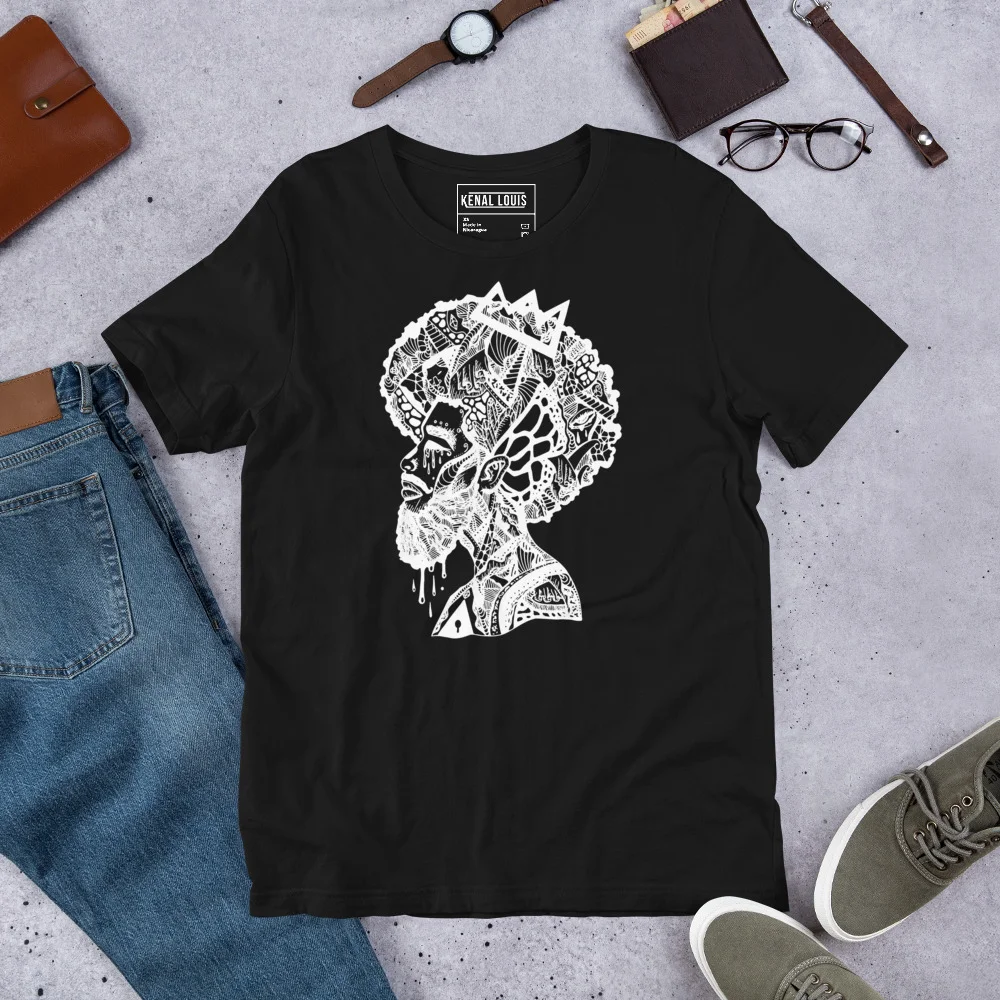
Afro Art Men's T-Shirt - Beauty in Struggle Line Art Tee
What I admired most about van Gogh was his honesty. His work wasn’t calculated to manufacture a specific reaction — it was a genuine outpouring of his internal state. I’ve tried to bring that same honesty to my own emotional art pieces. Whether I’m working in full color or stripping everything back to black ink on white, the intention stays the same: put something real on the surface.
Transitioning to Pen and Ink While Holding On to Feeling
Although I eventually shifted to primarily pen and ink line drawings, I never let go of my vision of making artwork that expressed emotion. That transition taught me something important: emotional impact doesn’t depend on color alone. Line quality, composition, and subject matter carry enormous weight on their own.
My pen and ink work focused on:
- Varying line weight to create tension and release
- Using cross-hatching to build atmosphere and mood
- Setting highly detailed areas against open, quiet space
- Developing little narratives that pull an emotional response
Emotion Through Monochrome
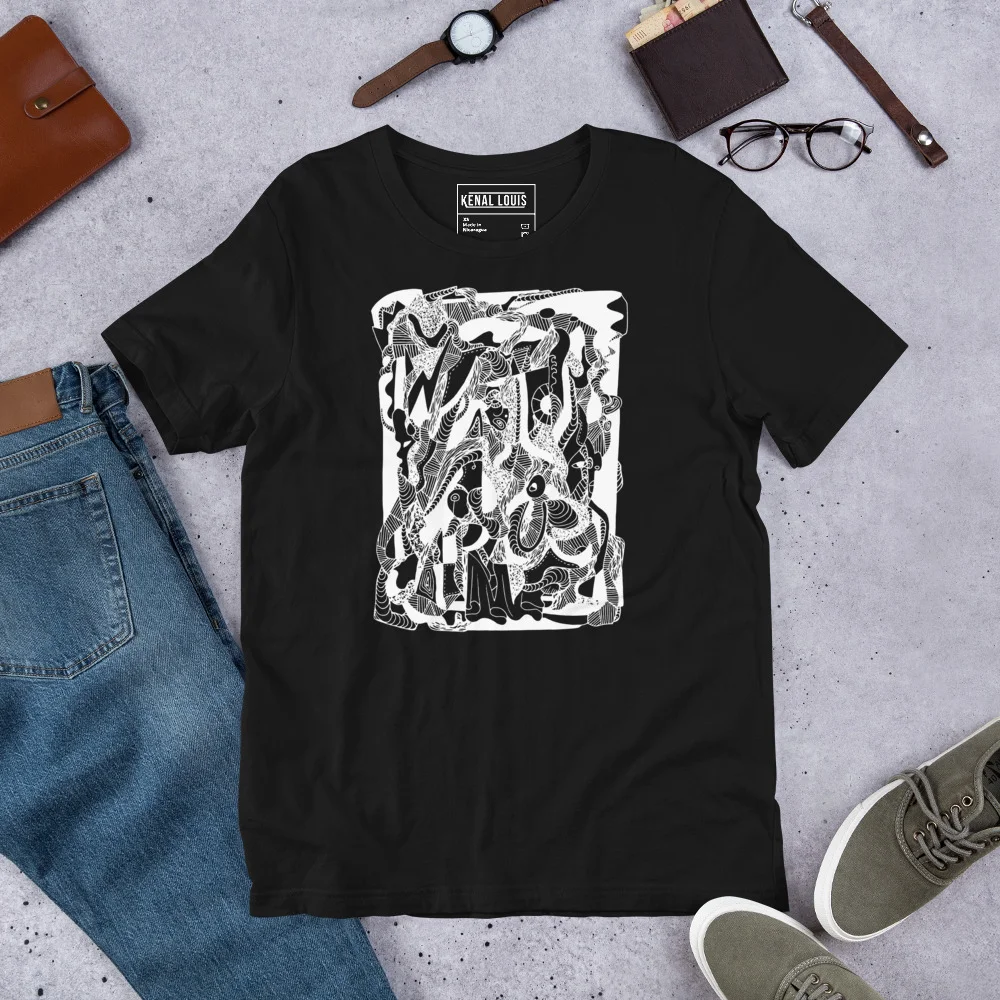
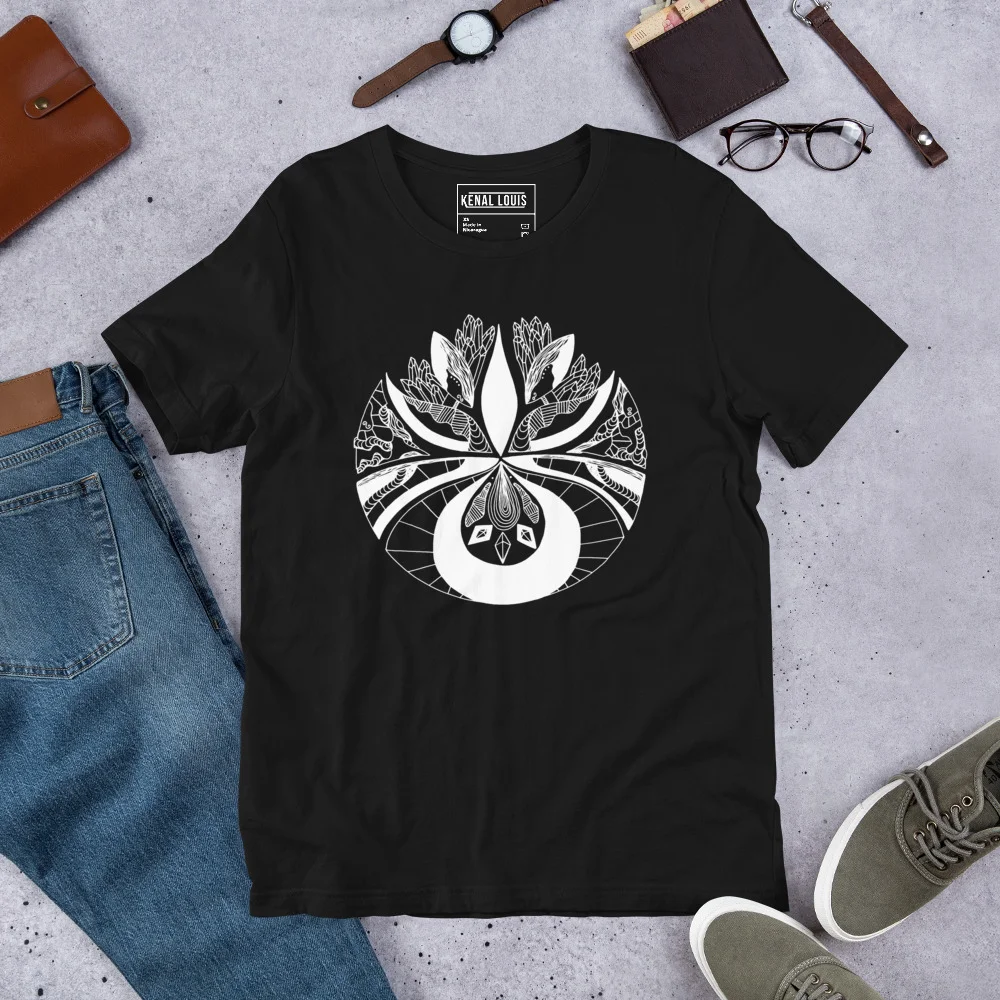
Working in black and white forced me to find new ways of making art that still moves people. Without color’s immediate emotional shortcuts, I had to dig deeper into everything else. A piece like the Abstract Wave Line Art T-Shirt – White Edition is a good example — the rhythm and flow of the lines themselves have to carry the feeling, because there’s no color doing that work for you.
- Texture became even more important
- Symbolism took on a larger role
- The quality and character of each line started to matter more
- Negative space gained real significance
That discipline made me a better artist all around. When you can’t lean on a striking palette to grab attention, every single mark has to earn its place on the page.
The Lasting Impact of Emotional Art Pieces
The emotional art pieces I’ve made over the years feel nostalgic and thought-provoking to the people who encounter them. Whether they’re built around a specific subject or completely abstract, they connect on a level that goes past simple appreciation.
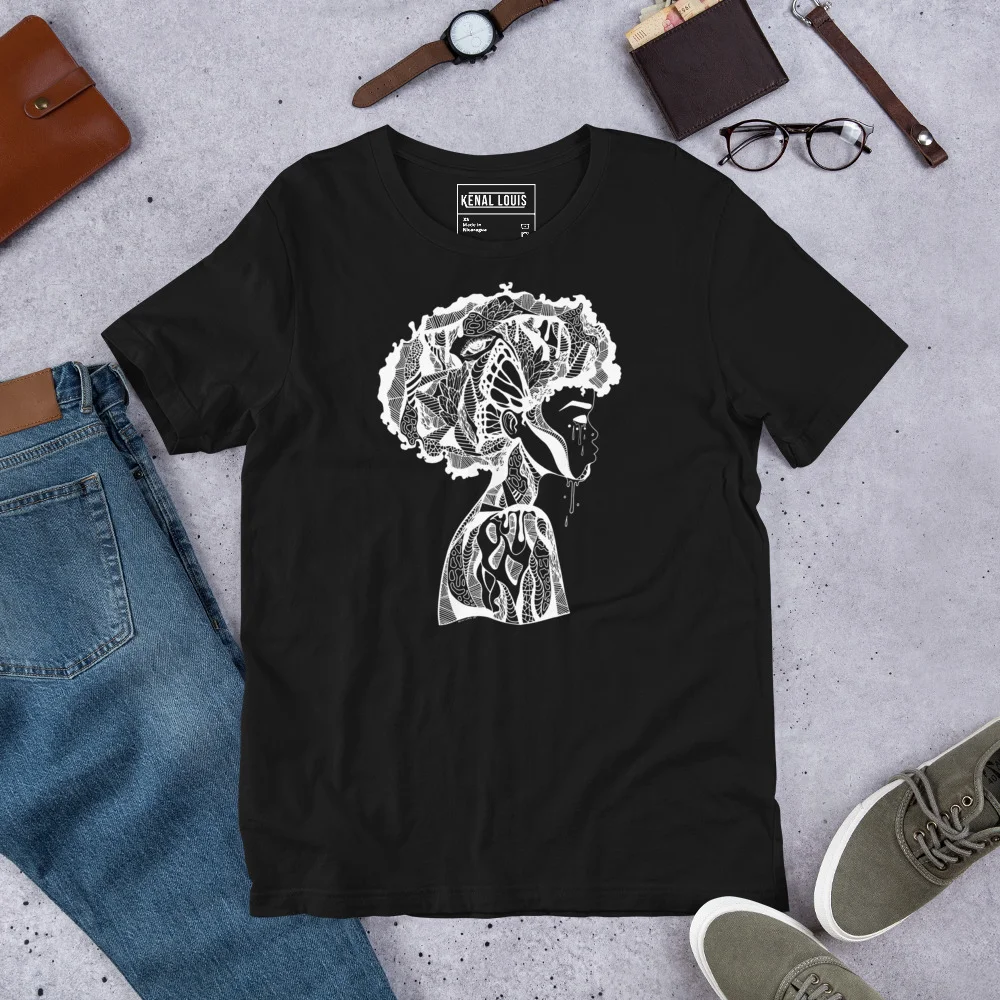
When an artist genuinely captures the essence of a mood, the reaction from the person experiencing it is often surprising — in the best possible way. It’s that moment of recognition, that feeling of being understood or seeing something familiar in a new light, that creates a real bond between creator and viewer. I’ve had people tell me that a piece like the Afro Art Men’s T-Shirt – Beauty in Struggle Line Art Tee stopped them in their tracks because it reflected something they’d been carrying inside but couldn’t put into words. That kind of response is exactly why I make art.
Beyond Recognition: The Value of Emotional Connection
Aside from the recognition and visibility an artist gains from a breakthrough project, the emotional weight of a piece deeply influences how it’s valued. How much a work can sell for is often tied directly to how deeply it can move someone.
In the art world, emotion is what sells. Collectors aren’t really buying images — they’re buying experiences, memories, and feelings. A technically flawless piece with no emotional pulse will rarely command the same interest as a slightly rougher work that touches the heart. And that truth holds whether you’re selling a canvas painting or a graphic tee — people wear art that means something to them.
Creating Your Own Emotional Art Journey
For anyone interested in developing their own emotional art pieces, here’s what I’d offer:
Start With Personal Truth
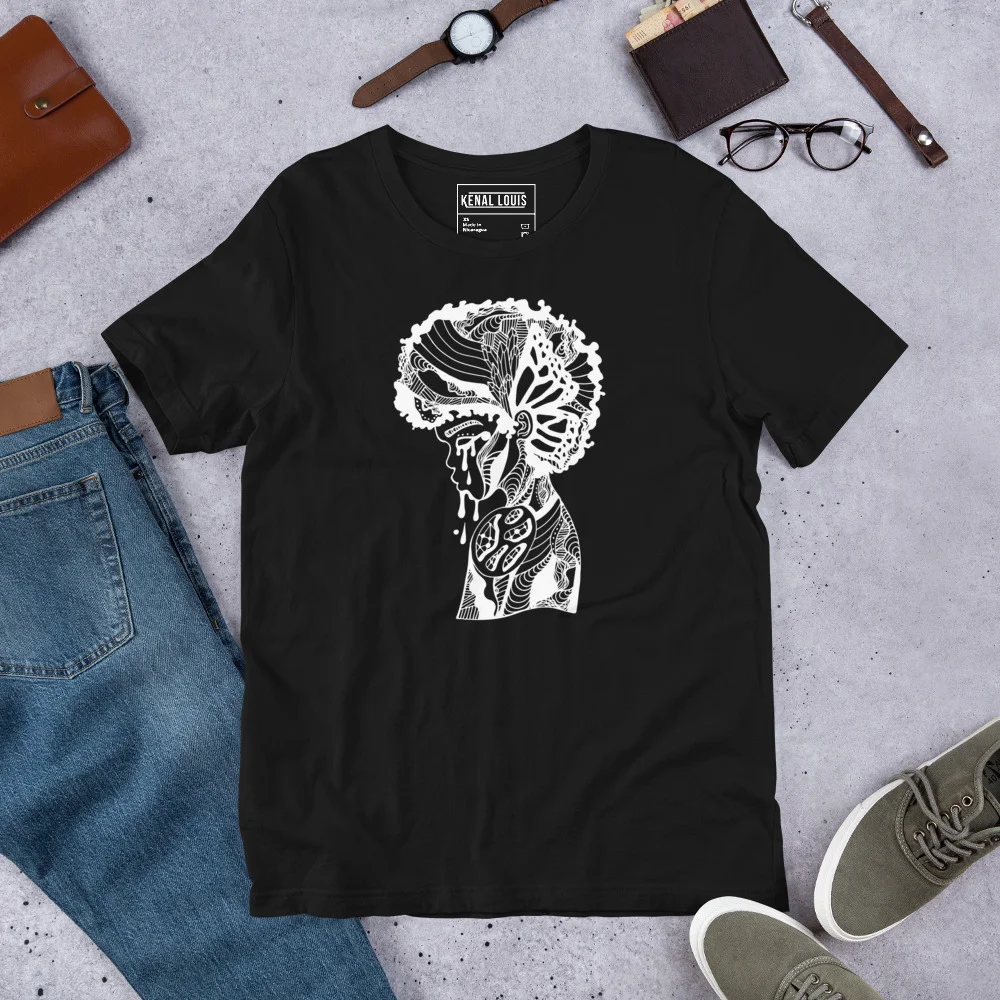
Begin with emotions you’ve actually lived. Authentic expression comes from real experience, never from a calculated formula. The Afro Art Men’s Shirt – Melancholic Mind Line Art Tee came straight out of a place of personal reflection — and that honesty shows in the work.
Study Emotional Masters
Look closely at artists whose work moves you. Study how they pull it off through their choices — the colors they reach for, the lines they leave out, the subjects they keep returning to.
Experiment Fearlessly
Try different approaches, mediums, and subjects. Sometimes the feeling comes out of an unexpected combination. I never would have guessed that a flowing wave rendered in clean ink lines on a white tee could hold as much feeling as an oil painting, but it can.
Seek Honest Feedback
Share your work and ask people not just whether they like it, but how it makes them feel. That distinction matters more than you’d think. “I like it” tells you almost nothing. “It made me feel hopeful” tells you everything.
Develop Series Rather Than Singles
Working in series lets you explore an emotional theme from several angles at once. Each piece adds context to the others, building a richer, ongoing conversation with the viewer.
The Technical Side of It
Making art that genuinely moves people takes both technical skill and emotional intelligence. A few approaches I’ve found especially effective:
Color Psychology
Understanding how different colors affect us helps you steer a viewer toward a specific feeling. Warm reds and oranges often spark passion, energy, and intensity, while cool blues and greens lean toward calm, peace, or melancholy. Even in a mostly monochrome line drawing, the color of the garment or background plays its part in setting the tone.
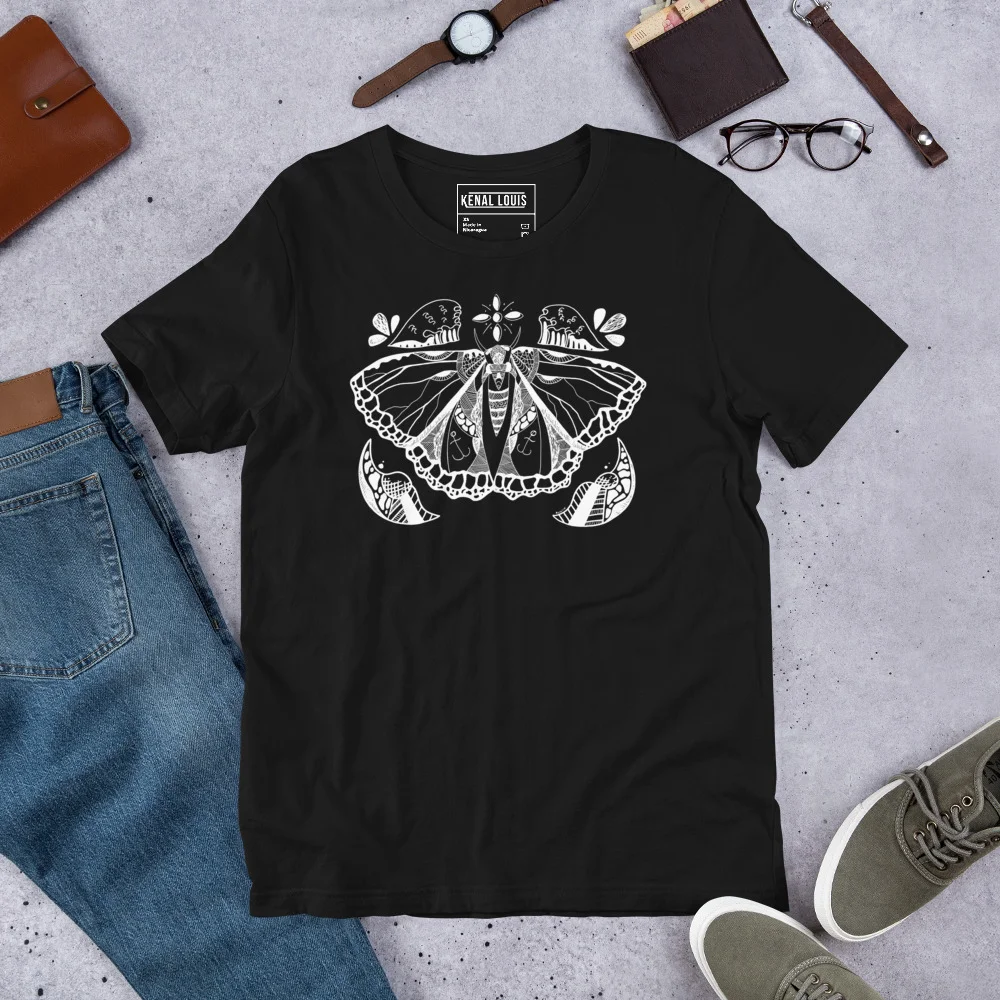
Butterfly T-Shirt - Butterfly of Hope Line Art Graphic Tee
Texture and Surface
Smooth surfaces stir up a different response than rough, impasto textures. Think about how the physical quality of your work shapes its emotional impact. In my line art, the crispness of the lines against a clean background creates a sense of clarity and intention — and that itself carries a message.
Composition and Flow
The way a viewer’s eye travels through your piece becomes an emotional journey of its own. Sharp angles create tension; flowing curves suggest ease and harmony. In the Abstract Line Art T-Shirt, Cotton Graphic Tee, the composition is built to guide the eye in a way that feels organic and unhurried — a deliberate emotional choice.
Subject Selection
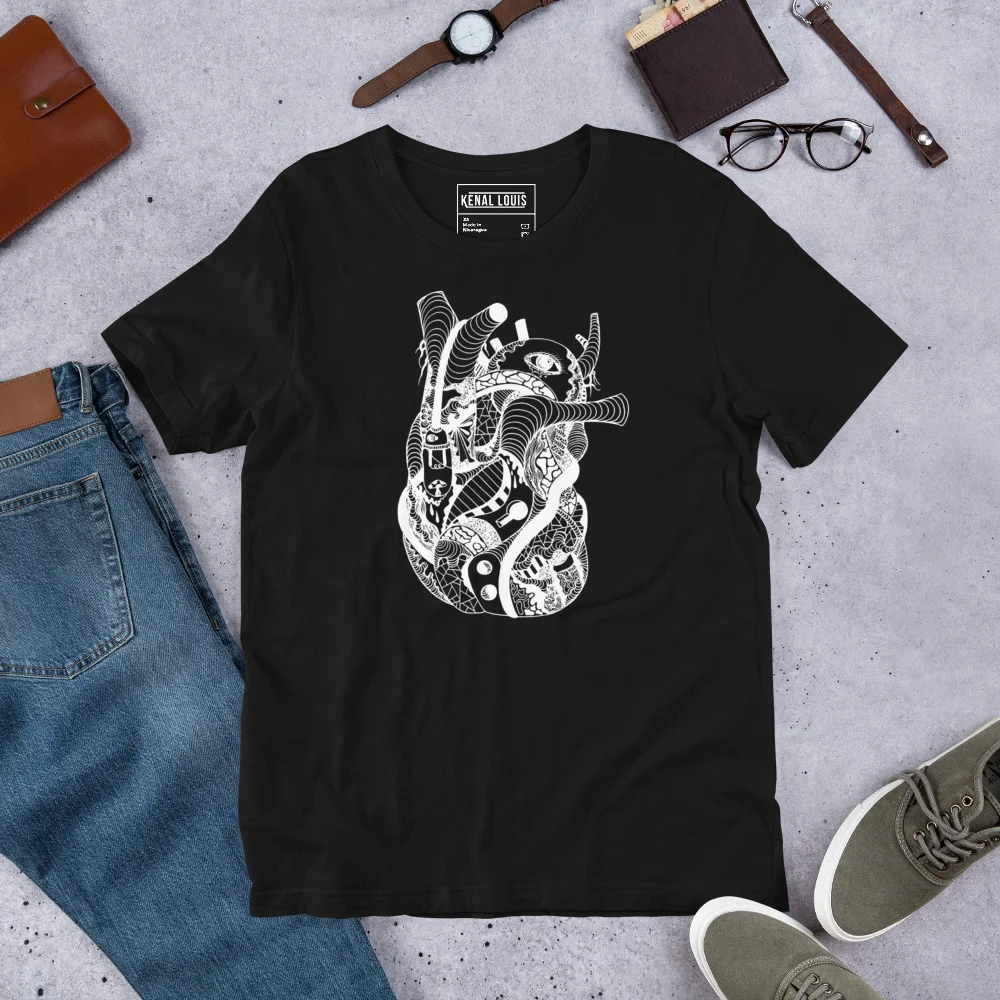
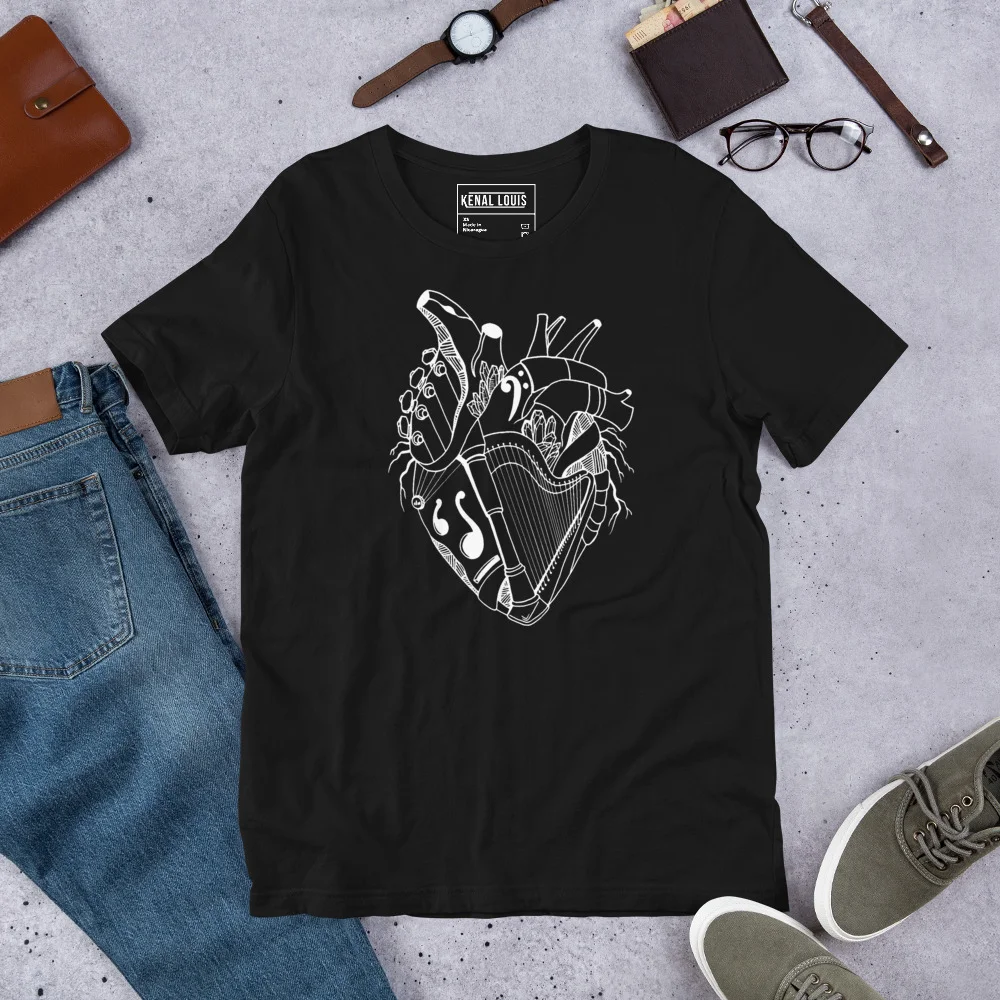
Some subjects simply carry weight. Hearts, butterflies, human figures, musical notes — these aren’t arbitrary. Consider what your chosen subjects mean to you and what they might mean to the person looking. The Heart Line Art T-Shirt – Light Heart Graphic Tee and the Musical Heart Line Art Graphic Tee – Cotton T-Shirt both draw on universally resonant imagery, but the way the line work is handled gives each piece its own distinct emotional character.
The Ongoing Journey
My exploration of emotional art keeps evolving. Every new series brings fresh insight into how visual elements can summon powerful feeling. Whether I’m working with butterflies, abstract waves, human figures, or heart imagery, I stay committed to making work that resonates — work people want to carry with them, literally and figuratively. That’s also why these pieces become such meaningful gifts: a partner who already understands you, a friend going through a transformation, a loved one who needs to feel seen — the right image can say what words can’t.
Art that moves us changes us. It widens our capacity for feeling and understanding. As both creator and viewer, I’ve been transformed by encounters with pieces that spoke to something deep inside me. The Afro Art Men’s T-Shirt – Beautiful Mind Line Art Tee grew out of one of those transformative moments — a quiet celebration of the inner life, rendered in clean, deliberate lines.
When Was the Last Time Art Moved You?
When’s the last time you saw an artwork that genuinely moved you? Was it in a gallery, online, or maybe made by someone you know? What was it about that piece that reached past your analytical mind and touched your heart? Share your experience in the comments below — I’d love to hear how art has shaped your emotional life. There’s more of this series still to come.